






Buying outdoor furniture is exciting — but nothing’s worse than falling in love with a table or bench, only to find it overwhelms your patio or blocks the back door. The secret to getting it right? A tape measure, a notepad, and 15 minutes of planning.
Here’s our step-by-step guide on how to measure your garden, patio, or balcony so you can choose furniture that fits perfectly and makes your outdoor space more enjoyable.
Step 1: Decide How You’ll Use the Space
Before you even get the tape measure out, think about how you want to use your outdoor area:
- Dining: Will you be hosting dinners, BBQs, or brunches outside? A dining table and chairs might be your priority.
- Lounging: Prefer lazy afternoons reading or catching up with friends? A bench or lounger set could be ideal.
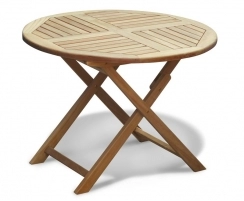
- Multi-purpose: If your space needs to double up (e.g. dining in the day, relaxing in the evening), look for flexible pieces like folding tables or benches with storage.
Knowing how you’ll use the space will guide the type and scale of furniture you need, helping you avoid buying pieces that look great but don’t suit your lifestyle. A small folding table might be perfect for morning coffees, while a spacious dining set creates a hub for long summer evenings with friends.
Step 2: Measure the Total Area
Now grab your tape measure and note down the length and width of your patio, balcony, decking, or garden area. Write it down clearly, or better yet, sketch a quick floor plan.
While you measure, take note of:
- Fixed features such as walls, steps, planters, or railings.
- Practical details like door openings, gates, or pathways.
- Existing items like BBQs, sheds, or fire pits that take up space.
This helps you understand not just the dimensions of your space, but also what’s already competing for room. There may be items that need to be moved when in use, such as a BBQ that’s tucked away in the corner most of the year but needs space when in use, so remember to keep elements like that in mind when you’re creating your dream garden plan.
Step 3: Allow for Clearance and Movement
It’s easy to forget that chairs need to pull out, benches need space behind them, and people need to walk around. As a rule of thumb:
- Leave 60–80cm of clearance around dining chairs so they can be pulled out comfortably.
- Keep pathways clear — especially if you need access to doors, gates, or garden features.
- Avoid cramming furniture so tightly that it feels uncomfortable to use.
A good test: imagine carrying a tray of drinks around your set-up. If it feels like you’d be bumping into corners, you need more space. When thinking about dining sets, imagine people sitting comfortably around the table, you’ll want to leave enough of a gap that everyone can get up easily.
Step 4: Map It Out Before You Buy
Once you have your measurements, use chalk, masking tape, or even newspaper sheets to mark out the footprint of the furniture you’re considering. This gives you a real feel for how much space it will take up.
Don’t rush into buying anything until you have tested out your space.
Top tip: try marking out a couple of different furniture shapes to compare. A rectangular dining table might dominate a small patio, while a round table could fit more naturally. Similarly, a corner bench can make use of awkward spaces, whereas individual loungers might feel too bulky.
Step 5: Match Furniture Scale to Space
Now it’s time to align your measurements with the right furniture:
- Small patios or balconies: Folding picnic tables, storage benches, or a compact two-seater bench are great space-savers.
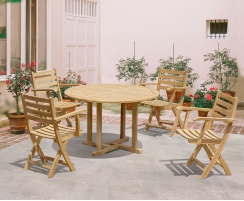
- Medium-sized gardens: A modest dining set with 4–6 chairs or a corner bench creates a sociable hub without overcrowding.
- Large spaces: Go for statement pieces like an 8-seater dining set, multiple loungers, or a combination of benches and tables for entertaining.
Remember: bigger isn’t always better. Furniture that’s proportionate to your space will look more stylish and feel more comfortable.
Extra Tips for Success
- Check the sun and shade: Think about where you’ll want to sit during different times of the day. Avoid placing furniture in areas that are too exposed without a parasol or pergola.
- Think about storage: If you don’t have a garage or shed, folding or stackable options will be easier to tuck away in winter.
- Future-proof your choice: If you’re likely to move house or redesign your garden, versatile pieces like benches or folding tables give you more flexibility.
Conclusion
Measuring your outdoor space before buying furniture doesn’t take long, but it makes all the difference. By planning carefully, allowing room for movement, and matching your furniture to the scale of your garden, you’ll end up with an outdoor setup that feels comfortable, stylish, and ready to enjoy.
We design teak garden furniture in a range of sizes to suit everything from compact patios to spacious entertaining areas. Explore our collection today and find the perfect fit for your garden.
For more information please visit our website Cyan.co.uk, call our friendly team on 020 8655 6240 or email us at info@cyan.co.uk